Every manufacturing operation has its best days. Throughput is high, quality is on target, and production runs with fewer interruptions than usual.
The obvious question is: How do you make those results repeatable?
That’s the thinking behind the golden batch: identifying a successful production run and using its operating conditions as a benchmark for future production.
It’s a valuable approach. But there’s a catch.
The operating settings that produced yesterday’s best run may not be the right ones for today.
A golden batch gives you a benchmark for what worked. Real-Time Process Optimization goes further, continuously identifying the best operating settings for the conditions you’re running under right now.
Why repeating your best run isn't so simple
By examining a successful run’s temperature profiles, pressure, flow rates, and line speeds, manufacturers can set operating standards that improve consistency and reduce process variation.
The challenge is determining which settings will deliver the best results when production conditions differ from the original run.
Consider a roofing shingles line that achieves excellent results using a set combination of temperature, line speed, and material feed rate.
The material that comes in the next week has a different moisture content. The team follows the same operating recipe, but maintaining quality now requires a slower line speed. This reduces throughput.
The settings haven’t changed, but the conditions have.
A golden batch shows what worked under a particular set of conditions. It doesn’t tell you what will work best when those conditions change.
The hidden cost of acceptable performance
Even a golden batch can leave room for improvement.
A production run might see excellent throughput and meet every quality specification while still using more material or energy than necessary.
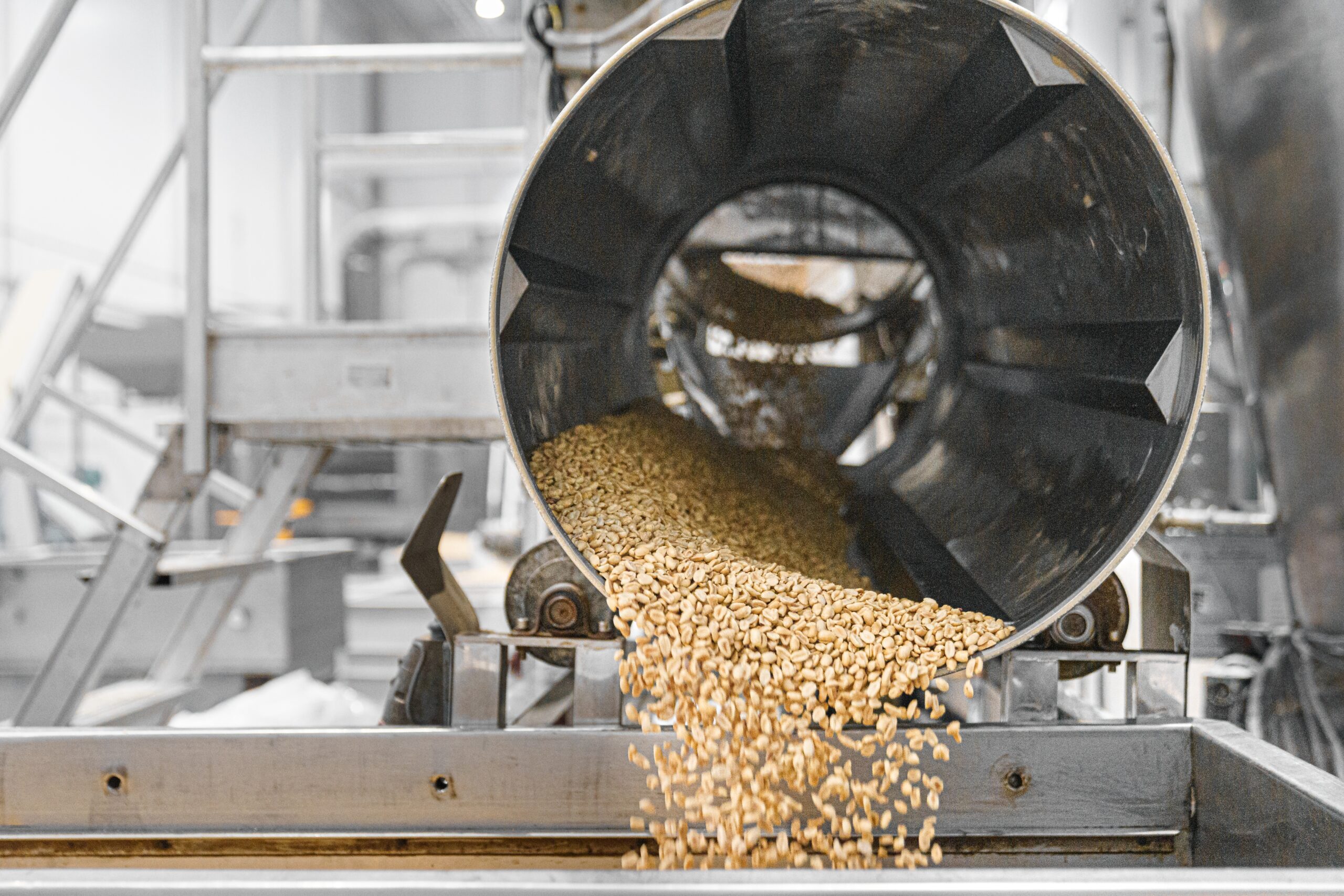
Consider a food manufacturer that maintains conservative filling targets to account for variations in product density. The approach protects against underfilled packages, but it can also result in unnecessary product giveaway.
Across millions of packages, those extra grams add up to a substantial amount of product that could otherwise be sold.
Similar losses occur when production lines run below achievable speeds or consume more energy than necessary.
These costs are easily overlooked because targets are being met and products remain within specification.
But acceptable performance and optimal performance aren’t the same thing.
Consistent quality doesn't require identical settings
Consistently meeting quality specifications may require different operating settings from one run to the next.
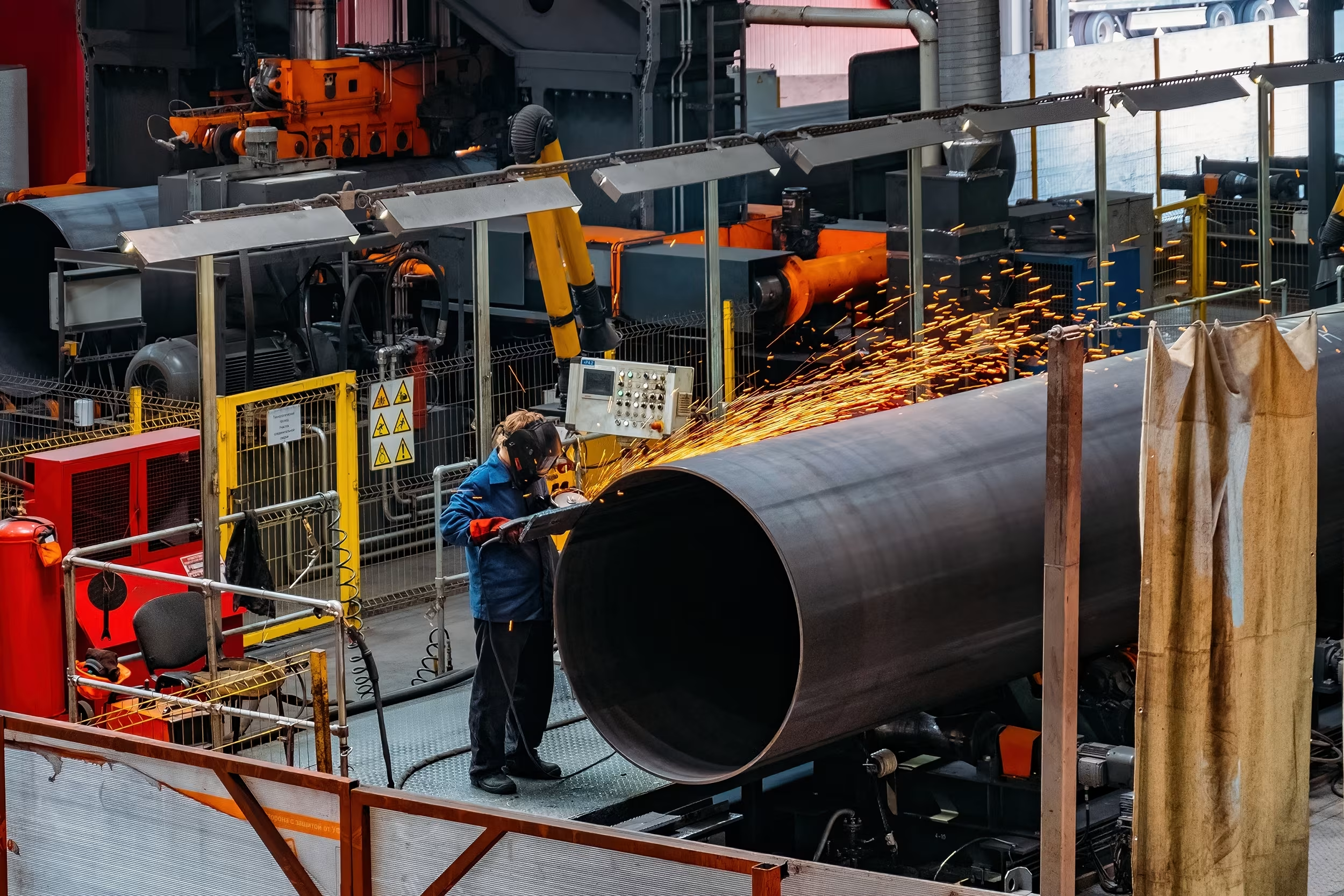
In metals manufacturing, for example, variations in incoming material properties can affect the temperature or processing speed needed to achieve the required finish and mechanical properties.
Some process variables, such as raw material characteristics and ambient conditions, are outside an operator’s direct control. Others, including temperature, pressure, flow rate, and line speed, can be adjusted within established operating limits.
The challenge is identifying the right adjustments quickly enough to maintain performance as conditions change.
How RTPO adjusts operating targets as conditions change
Real-Time Process Optimization (RTPO) continuously recalculates optimal operating setpoints as production conditions change, prescribing specific adjustments to keep performance closer to optimal.
Let’s return to the roofing shingles line. When incoming material moisture changes, RTPO evaluates the new conditions against historical production data to identify the settings that delivered the best results under similar circumstances.
It then prescribes updated targets for controllable variables, such as line speed and temperature, to maintain product quality while maximizing throughput.
As conditions continue to change, RTPO recalculates those prescriptions, allowing the line to operate closer to its potential without relying on the settings from a single successful run.
These prescriptions work with existing production and control systems.
What is the gap between your best day and your average day costing you?
Your best production run is a valuable benchmark. But the goal shouldn’t be to recreate one great day. It should be to achieve the best possible performance every day, even as production conditions change.
A golden batch shows you what worked before.
Braincube’s Real-Time Process Optimization continuously prescribes the best operating targets for the conditions you’re facing now, helping you recover throughput, reduce waste, and improve profitability.
How much value is your operation leaving on the table?
Your conditions change every day. Your setpoints should too.
Talk to a Braincube expert about what adaptive targets could recover on your lines.