Most manufacturers have more capacity inside their operations than their current output shows.
That can mean more throughput from the same equipment. Higher yield from the same raw materials. Lower energy use per unit. More production time recovered from interruptions that have become routine.
Some losses are obvious. Others are harder to see. A paper machine runs below its potential. A coffee production line uses extra material to protect quality. A metals process runs on settings that no longer suit the quality of the incoming raw material.
The biggest gaps often show up in six key areas: downtime, speed, changeovers, material, energy, and operating targets.
1. Unplanned downtime
Every unexpected stop takes production off the table.
Some are major, such as equipment failures, maintenance issues, or material shortages. Others last only seconds or minutes, including jams, misfeeds, blocked material flow, and sensor issues.
Those smaller interruptions are easy to overlook because operators often resolve them quickly. But repeated across a shift, they can steadily reduce output.
Regardless of the industry, even brief recurring stops can add up to meaningful lost production.
2. Reduced operating speed
A process can lose capacity without stopping.
Equipment may continue running below the rate it could support. Material characteristics, equipment condition, environmental factors, and operating settings can all influence achievable speed.
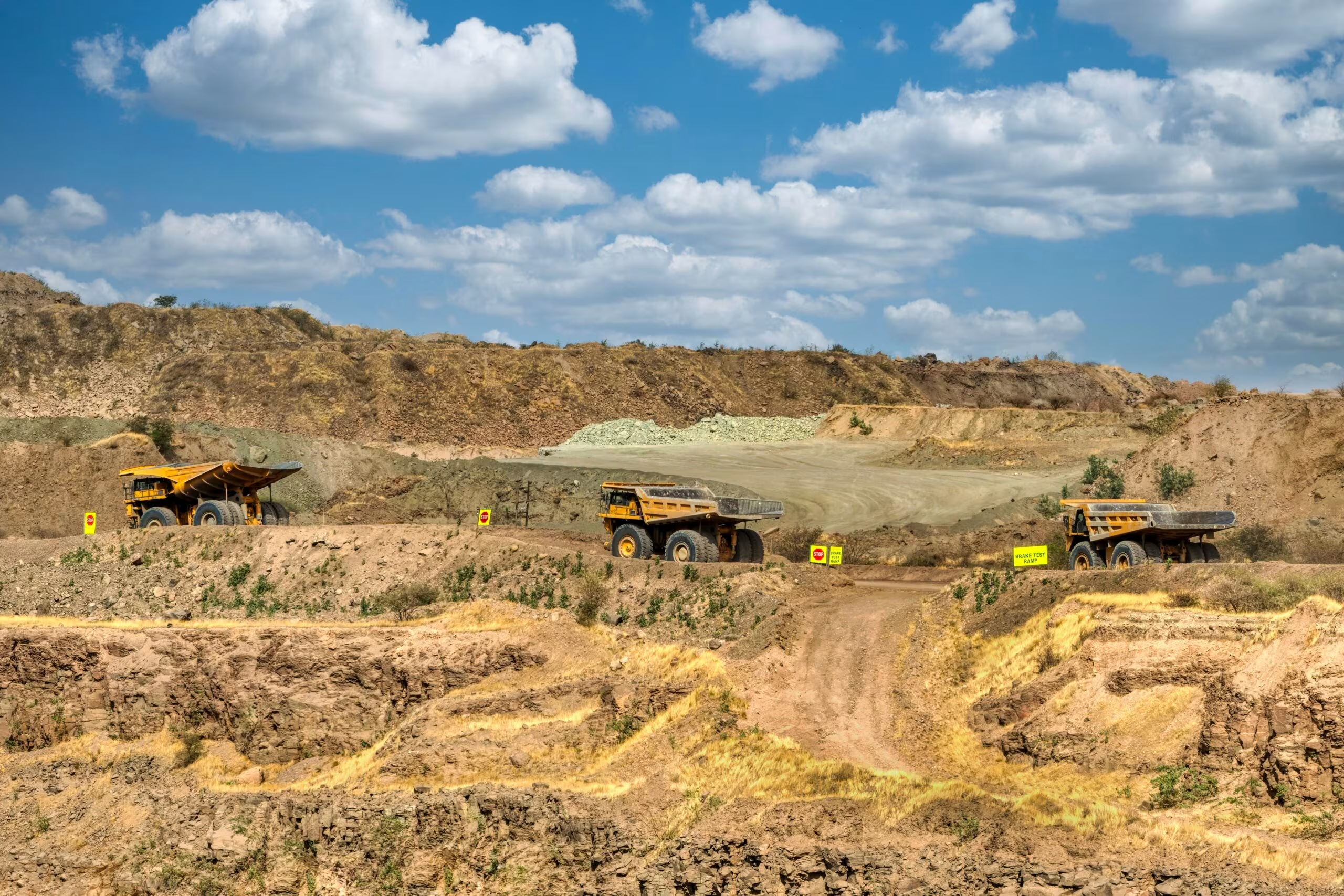
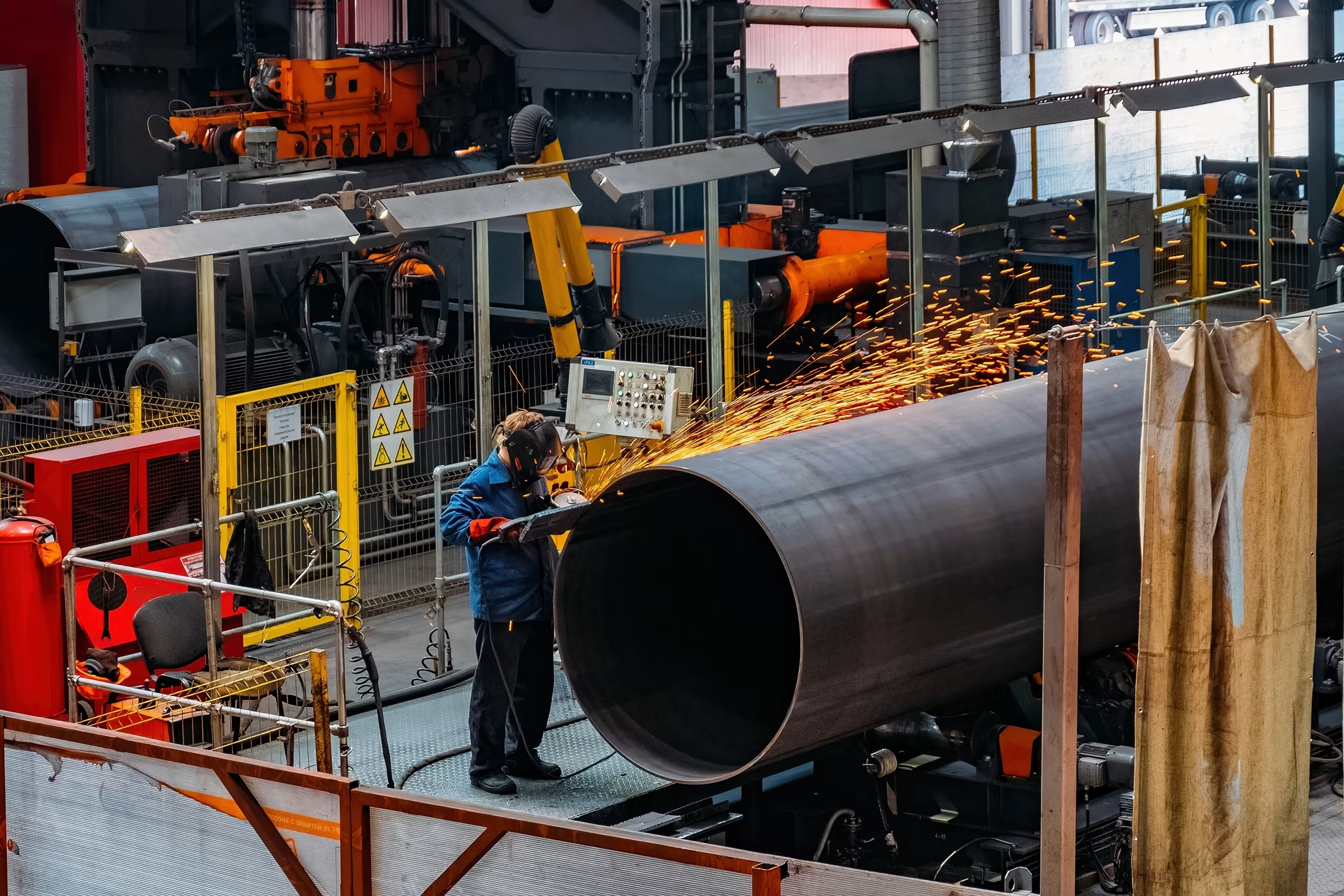
In mining and metals operations, changing feed characteristics can alter what the process can handle. A target that worked well under one set of conditions may hold throughput back under another.
The shift simply ends with less output.
3. Changeover and startup losses
Product changes consume production time.
Cleaning, setup, warm-up periods, and equipment adjustments reduce the hours available to produce.
Production can also be lost during ramp-up if output remains below target or material falls outside specification.
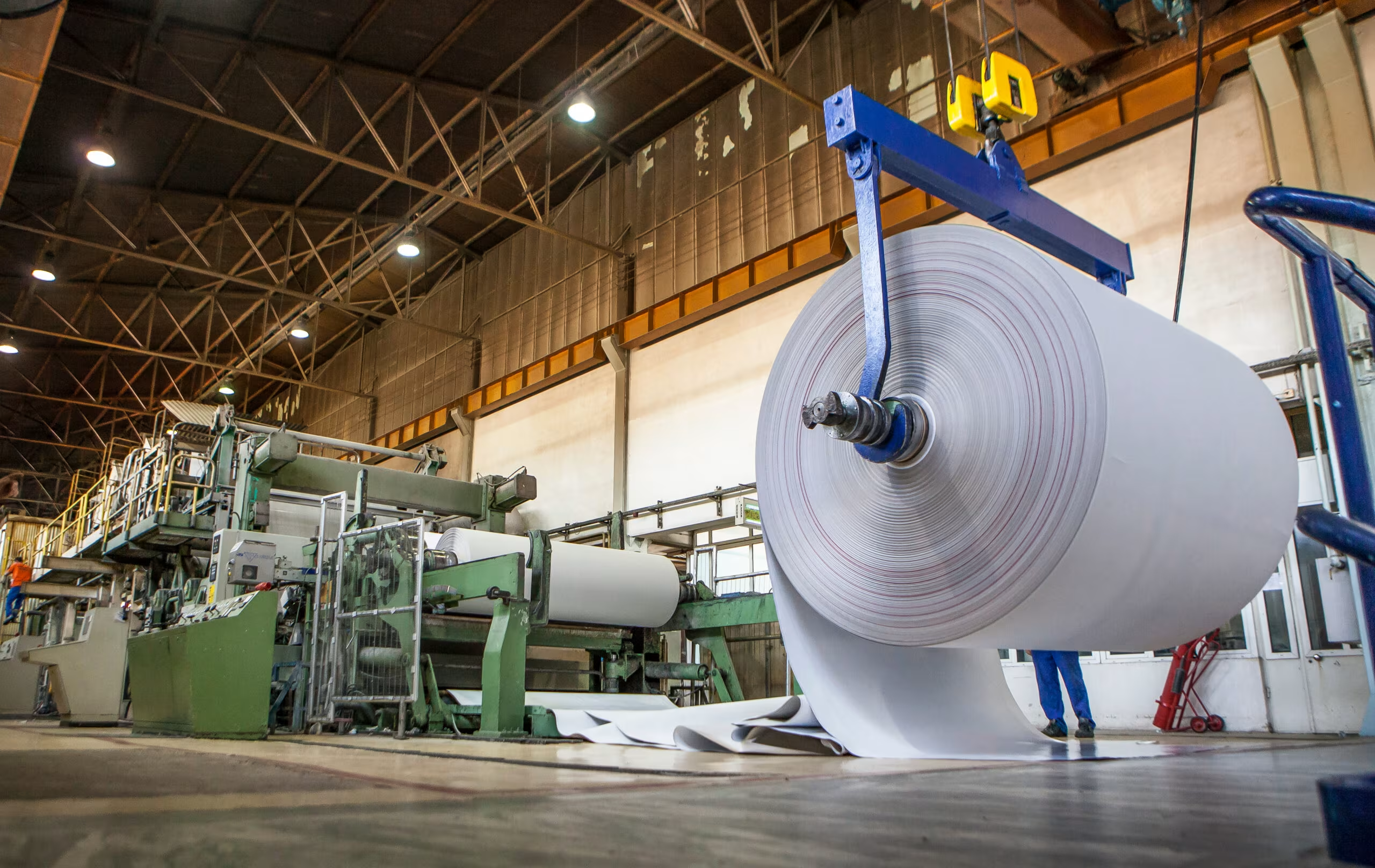
In pulp and paper, getting a machine back to target quality and speed sooner after a grade transition can protect both tonnes produced and yield.
In metals, a slow ramp back to target thickness or gauge after a coil change can cost more tonnes than the changeover itself.
4. Material and yield loss
Every raw material input represents money already spent.
Scrap and defects are easy to recognize. Other losses can become embedded in normal production through overfilling, excess ingredient use, trim waste, rework, or running further inside specification limits than necessary.
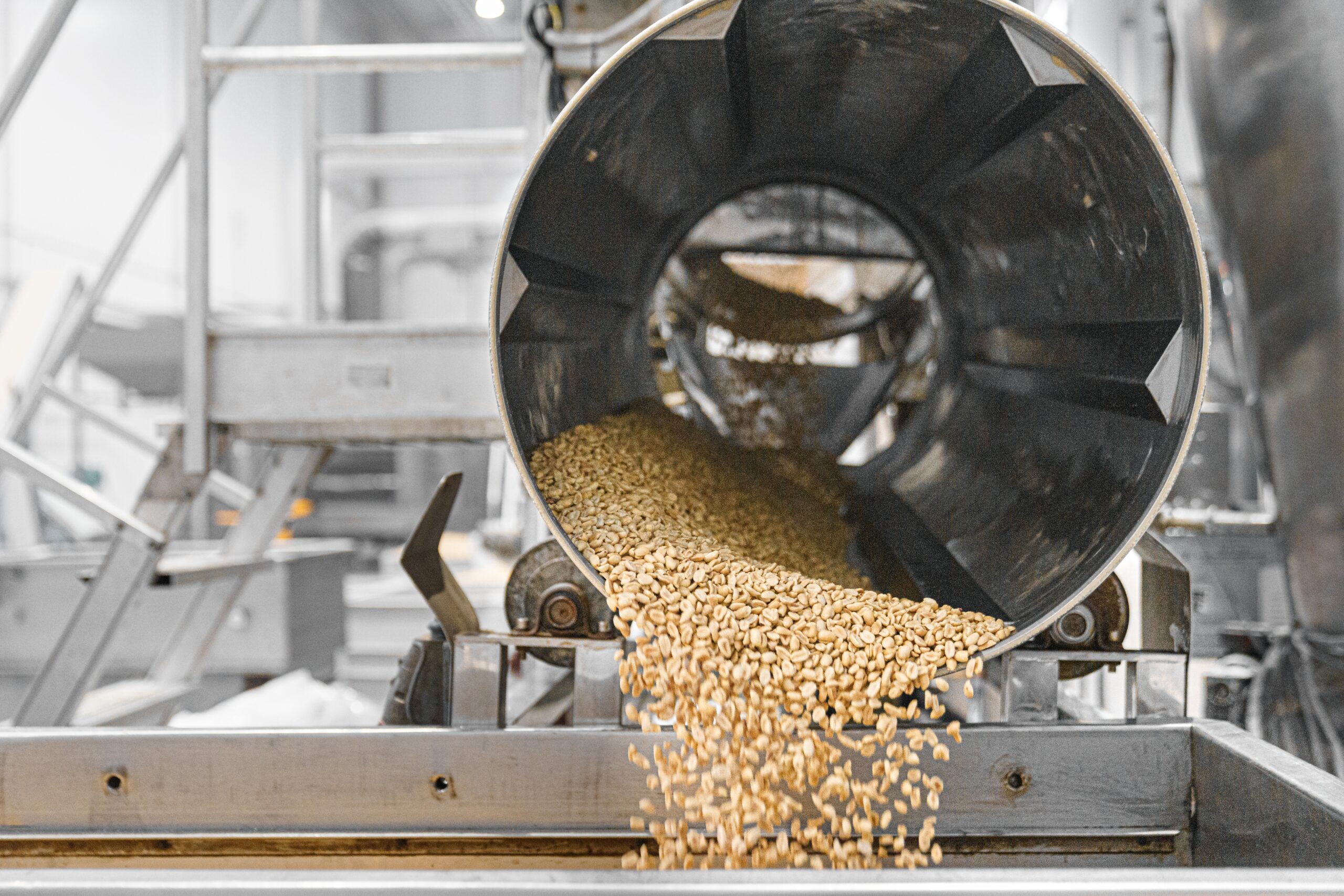
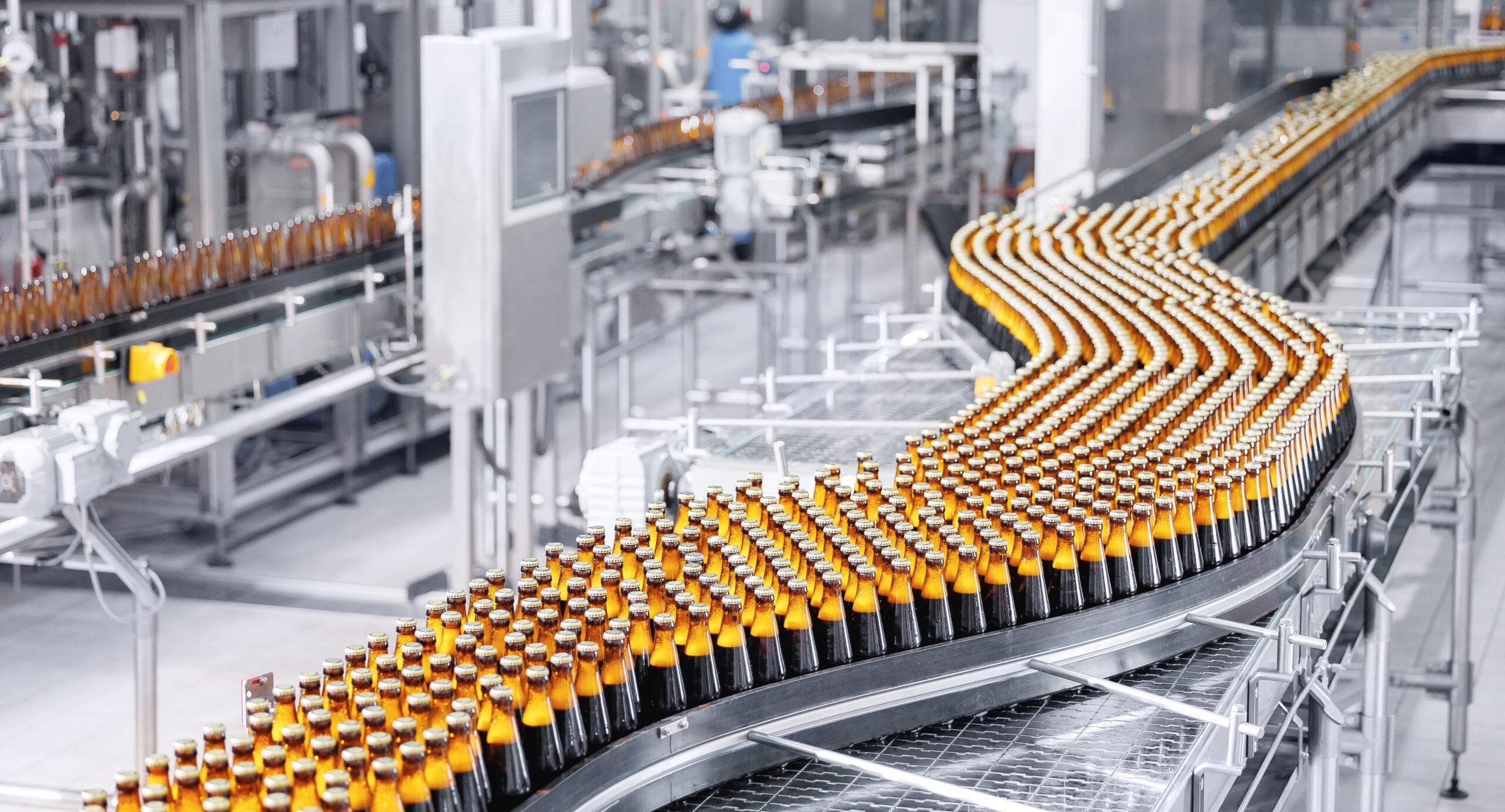
In food and beverage manufacturing, a small amount of extra product in every package can become significant giveaway at scale. In metals production, off-target material may need to be downgraded, reworked, or scrapped.
5. Energy loss
Equipment may consume more energy than the production outcome requires.
Drying or heating can continue longer than necessary. Pumps, fans, motors, and other equipment may operate harder than needed. Inefficient energy use increases production cost.
For example, a building materials process may consume additional heat or power without increasing output.
6. Performance lost between operating conditions and operating targets
This is often the hardest loss to see.
Plants already have established settings and production standards. The question is whether those targets still fit what is happening in the process.
A mine can be running to plan while changing ore characteristics alter the best grinding settings. A tire manufacturer can stay within specification while variability limits achievable throughput. A food production line can hit its quality target while using more material than necessary.
Nothing has to be visibly wrong for performance to be left behind.
How Real-Time Process Optimization can help
Braincube’s Real-Time Process Optimization continuously evaluates live production data, recalculates the operating targets that best support a defined objective, and prescribes updated settings as conditions shift.
That objective could be higher throughput, stronger yield, lower energy use, reduced waste, or more stable production.
This real-time guidance helps manufacturers recover performance that fixed targets can leave behind.
Recover more from the process you already have
Increasing output or margin doesn’t always require more equipment.
Finding where time, material, energy, and capacity are being lost can reveal opportunities already inside the operation. Real-Time Process Optimization helps manufacturers act on those opportunities using the production systems and data already in place.
Some of the biggest manufacturing losses are not dramatic failures.
They are the tonnes, batches, minutes, and kilowatt-hours the process could have used better.
See where your process is leaving performance behind. Connect with a Braincube expert to talk through what these six areas might look like in your own operation.