A global tire manufacturer needed a way to not only improve performance — but sustain and scale it across a complex production network.
By changing how processes are run under changing conditions, they turned variability into consistent, repeatable performance across plants.
Key outcomes
- $1M in annual savings from reduced inefficiencies and improved process control
- 35% reduction in material waste through more stable operations
- Faster time to action with less manual data work for engineering teams
- Deployment across 60+ plants worldwide
- More consistent performance supporting stronger production economics and margin
From Process Variability to Scalable Performance
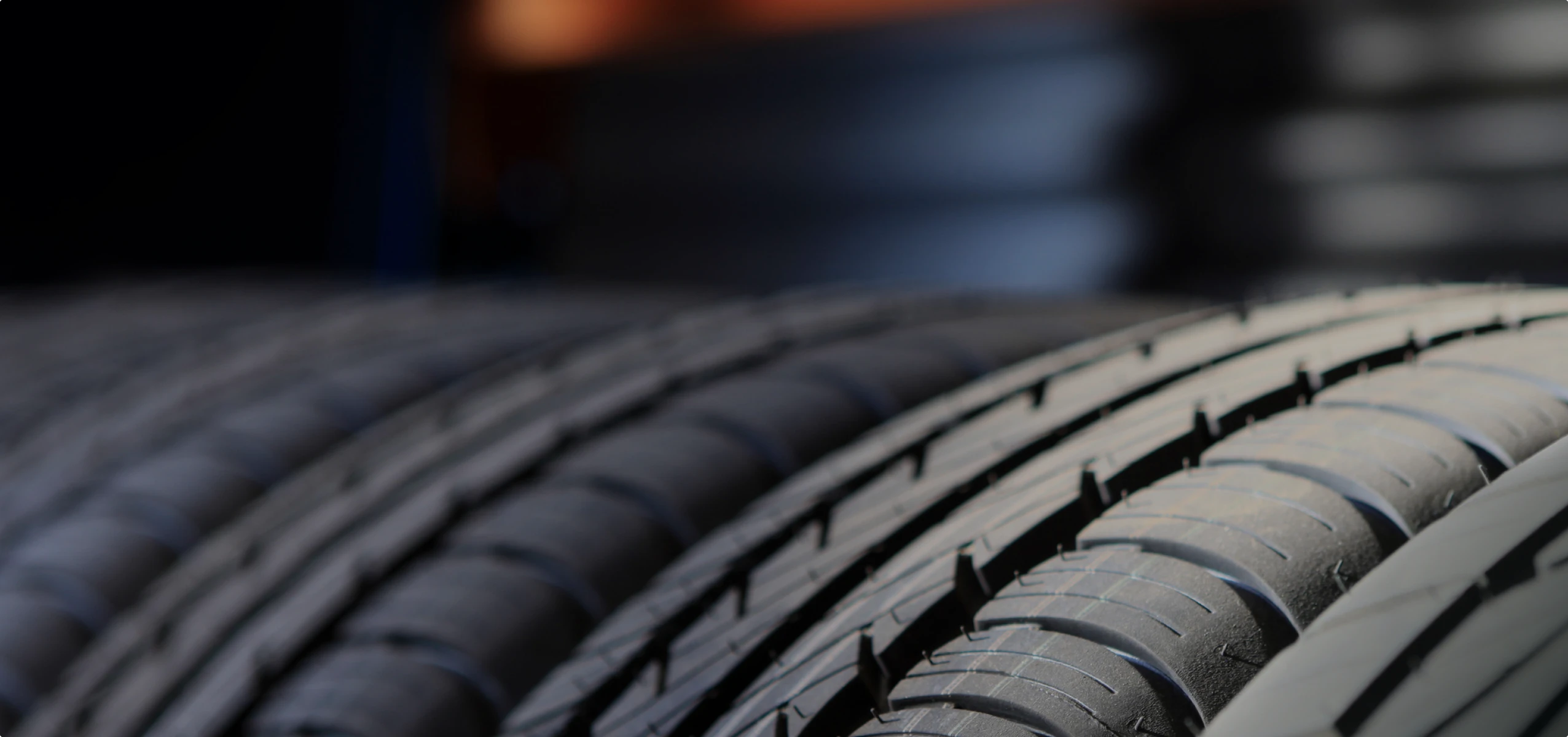
Tire manufacturing runs fast and tight. In some plants, lines produce up to 40 tires per minute.
But performance does not stay fixed.
Material behavior shifts, equipment responds differently over time and small changes in process conditions add up quickly at high speeds.
For this Global Tire Giant, teams were constantly adjusting to keep production on track. Those adjustments were based on experience, but not always aligned with what the process needed under current conditions.
Across plants, this created inconsistency. What worked in one facility did not always translate to another.
The Global Tire Giant team faced a major challenge: sustaining performance as conditions changed, then scaling that performance across the network.
The Limits of Reactive Adjustments
To keep performance on track, teams spent significant time trying to understand what was happening in the process.
Engineers pulled data from multiple systems. Operators relied on instinct to make adjustments. Corporate teams struggled to compare performance across sites.
Even when improvements were found, they didn’t hold. As conditions changed, performance drifted again.
At this level of complexity, fixed operating standards weren’t enough.
The Global Tire Giant needed a way to continuously align the process with what good performance looked like under current conditions — not what had worked in the past.
Adapting to Variability Across a Global Plant Network
To address this, the Global Tire Giant introduced a new way of running the process — one that adapts in real time as conditions change.
Instead of relying on fixed standards or manual adjustments, teams began adjusting the process based on what was actually happening in the moment.
They could see which variables mattered under current conditions and act on them during production — not after performance drifted.
This shifted how teams operate — from reacting after the fact to adjusting the process in real time.
Operators no longer rely on guesswork to maintain performance.
Engineers spend less time gathering and analyzing data, and more time improving the process.
Corporate teams gain better visibility into how performance compares across sites.
From Local Improvements to Scalable Performance
As this approach took hold, performance began to stabilize — not just within individual plants, but across the network.
Each site could adapt to its own conditions while following the same approach to running the process.
What was previously dependent on local expertise became more consistent and repeatable.
Performance no longer varied significantly from plant to plant. It could be replicated, improved, and scaled across the organization.
Results
By changing how processes are run under changing conditions using Real-Time Process Optimization, the Global Tire Giant translated better control into measurable operational and financial impact:
$1M in annual savings
Improved process control and faster adjustments reduced inefficiencies and operating costs
35% reduction in waste
More stable operating conditions reduced material loss and improved yield
Faster time to action
Teams reduced time spent on manual data work, accelerating response to changing conditions
Improved production economics
More consistent performance across lines translated into stronger margin and throughput stability
Operators shifted from reacting after performance drifted to continuously adjusting the process as conditions evolve.
Scaling the Transformation
Following initial success, the Global Tire Giant expanded this approach across its global operations. Today, it is deployed in more than 60 plants worldwide.
What started as a local improvement became a scalable operating model.
Performance is no longer dependent on individual expertise or isolated improvements. It becomes repeatable, transferable, and continuously improving across the network.
Variability didn’t go away. Teams just changed how they operate — adapting each process to current conditions and scaling that approach across every plant.
And that’s what made performance scalable.